Roofing Basics
How Long Does a Roof Last in Southern California? (Material-by-Material)
Real-world roof lifespans for SoCal — asphalt, concrete tile, clay tile, metal, TPO. What shortens roof life in our climate, what extends it, and how to maximize remaining years on an existing roof.
TMC Roofing Editorial
Field-tested by the TMC crew

GAF Master Elite
Top 3% of contractors nationally
Licensed & Insured
C39 #1103611, fully bonded
5★ on Google
73 Google + 14 Yelp reviews
Local Family-Owned
Serving SoCal — not a storm chaser
TMC Roofing Editorial
Reviewed and fact-checked by the licensed roofing crew at TMC Roofing — GAF Master Elite, CSLB C39 #1103611.
A roof in Southern California outlasts the U.S. average because we don’t get freeze-thaw, snow load, or ice damming — the biggest aging stressors. The trade-off: UV exposure is intense and Santa Ana wind events are brutal. Here’s what each common material actually delivers in the SoCal climate, by material, by quality tier, with the variables that shorten or extend lifespan.
The headline numbers (SoCal-specific)
- Builder-grade 3-tab asphalt: 15-20 years
- Premium architectural asphalt (GAF HDZ RS): 22-28 years
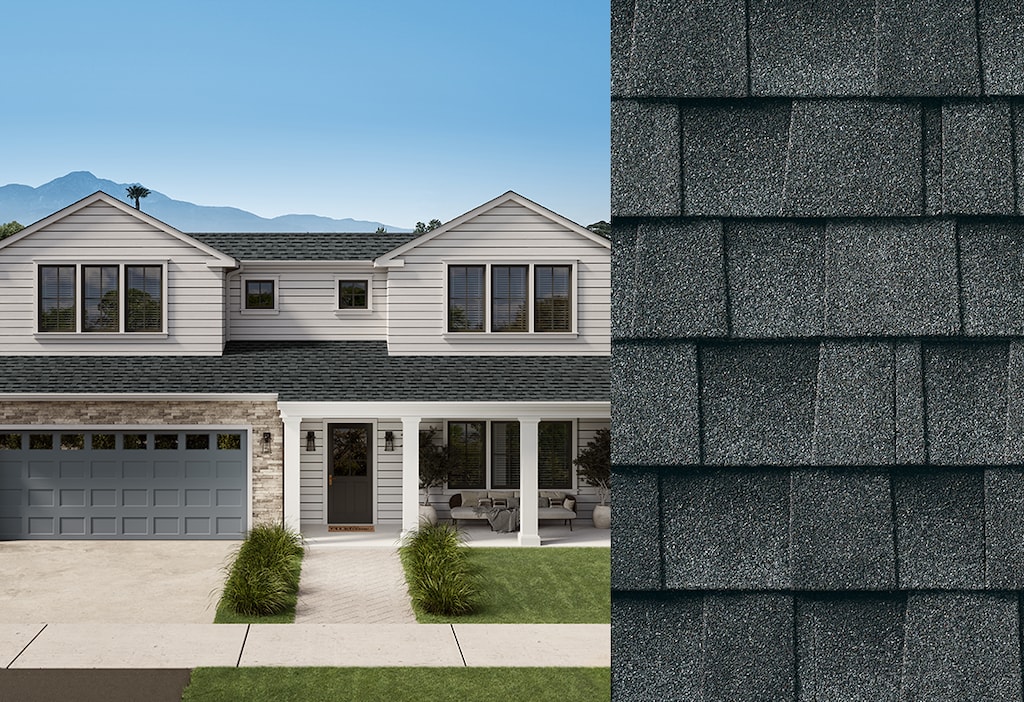
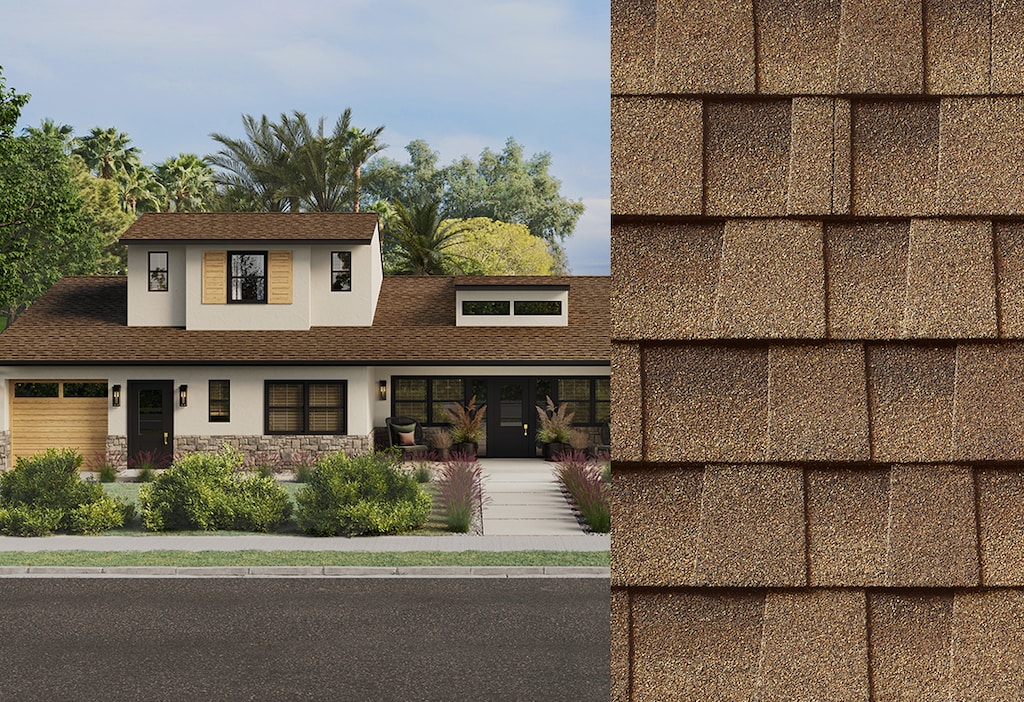
- Designer asphalt (GAF Grand Sequoia RS): 25-30 years
- Concrete tile (Eagle California Collection): 50+ years (underlayment re-felt at year 25-35)
- Clay tile (Spanish or barrel): 80-100+ years (tiles often outlive multiple homeowners)
- Standing seam metal: 40-70 years
- TPO single-ply membrane: 20-30 years
- Modified bitumen (mod-bit): 15-20 years
- Built-up roof (BUR / tar & gravel): 15-25 years
- Slate: 75-150+ years
Asphalt shingle — the most common in SoCal
About 70% of SoCal residential roofs are asphalt shingle. Lifespan is driven by:
- Shingle quality tier. 3-tab basic = 15-20 years. Architectural laminated (HDZ-class) = 22-28. Designer / wood-shake look (Grand Sequoia-class) = 25-30.
- Title 24 cool-roof rating. CRRC-rated “cool” shingles run cooler in summer, which reduces thermal cycling fatigue. Typically extends life by 1-3 years vs equivalent non-cool product.
- Underlayment quality. Synthetic underlayment (modern, lightweight, plastic-based) is 30-50 year material. 15-lb felt is 20-30. Switching from felt to synthetic adds 5-10 years to the system life.
- Ventilation. Under-ventilated attics trap heat, which cooks the underside of the shingles. Properly-vented attic (1 sq ft of net free vent area per 150 sq ft of attic floor) adds 3-5 years.
- Pitch. Steeper pitches drain faster and dry quicker, lasting 2-4 years longer than 4:12 pitches.
Bottom line: a GAF Timberline HDZ RS roof installed by a Master Elite contractor with synthetic underlayment + proper ventilation + correct accessory system regularly hits 28+ years in SoCal. A builder-grade install on the same home barely makes 18.
Concrete tile — the SoCal architectural standard
Concrete tile is the dominant material in Mediterranean / Spanish / Tuscan SoCal neighborhoods. The tile itself is essentially permanent — concrete doesn’t UV-degrade. The bottleneck is the underlayment beneath it.
Typical concrete tile lifecycle:
- Year 0-25: clean, no issues
- Year 25-35: underlayment shows wear; isolated leak events possible
- Year 30-40: “lift & re-felt” — crew lifts existing tile, replaces underlayment, re-installs same tile. Roughly 40-60% of full replacement cost.
- Year 60-75: second re-felt cycle.
- Year 75-100+: tile finally reaches end of life or color is no longer in production for repairs.
A typical SoCal concrete-tile homeowner re-felts once and never replaces the tile. The price difference vs asphalt amortized over 50 years often makes tile the cheaper choice — see our 30-year cost comparison.
Clay tile — the longest residential life in California
Clay tile is essentially a ceramic — fired at high temperature. Doesn’t UV-degrade, doesn’t absorb moisture, doesn’t thermally cycle in any meaningful way. Spanish-style clay tile in SoCal regularly survives 100+ years. The 1920s-era homes in Pasadena, the older neighborhoods of Beverly Hills, and the historic homes of Santa Barbara are often on the original tile.
Bottleneck same as concrete tile: the underlayment. Plan on a re-felt every 30-45 years. The tile cost is the major upfront — clay tile installation runs $25-$60+ per square foot installed, vs $13-$23 for concrete tile.
Standing seam metal — quiet but rising
Metal roofing is a growing minority in SoCal, especially on modern / contemporary homes and ADUs. Standing seam panels with Galvalume or Kynar PVDF coating regularly hit 50+ years. The coating fades / chalks over 30-40 years but the panel structure remains intact much longer.
Strengths in SoCal: handles wildfire ember exposure better than any other residential material (Class A fire rating); doesn’t absorb solar heat into the attic (especially with Kynar reflective finishes); zero granule loss because there are no granules.
Trade-offs: higher initial cost (typically $14-$20 per sq ft installed), more specialized installer pool, hailstone aesthetic denting (cosmetic, not structural).
TPO and flat-roof systems — the commercial standard
Flat / low-slope residential additions (HOA buildings, modern residential portions, commercial buildings) typically use:
- TPO single-ply membrane — 60-mil GAF EverGuard® is the SoCal standard. 20-30 years of service life depending on installation quality and UV exposure.
- Modified bitumen (mod-bit) — Older asphaltic-rubber system. Still installed in some applications. 15-20 years.
- Built-up (BUR / “hot-mop”) — Classic tar-and-gravel system. Largely phased out for residential, still used commercially. 15-25 years.
Cool-roof coatings (like elastomeric “white roof” coatings) over an existing flat roof can extend life 10-15 years and significantly reduce cooling bills. We do this on commercial flat roofs as a low-cost lifecycle extension.
What shortens roof life in SoCal
- Under-ventilation. Most common issue we see. Trapped attic heat shortens shingle life 30-40%.
- Clogged gutters. Water backs up under shingles and rots the decking.
- Pet damage. Dogs, cats, and birds working a consistent path on the roof can wear granule patches in a few years.
- Tree contact. Branches scraping against shingles in wind events wear them in months, not years.
- Skipped maintenance. Missed annual inspections let small problems become big problems.
- Cheap install. Felt underlayment, no drip edge, ridge cap cut from 3-tab, no Title 24 documentation. The 20% you save costs 5-10 years.
- Direct foot traffic. Walking on tile causes cracks; walking on hot asphalt causes granule loss.
What extends roof life
- Title 24-compliant cool-roof product (1-3 years).
- Synthetic underlayment instead of felt (5-10 years system-level).
- Properly-vented attic (3-5 years).
- Annual visual inspection (catches small problems before they spread; 3-5 years).
- Tree trimming within 30 ft of the house.
- Gutter cleaning twice yearly.
- Master Elite installation with full GAF accessory system (eligible for WindProven™ warranty + Golden Pledge).
How to find out exactly where your roof is
Three options:
- Check the city permit record. Every reroof requires a permit. Search by your address on your city’s building department portal.
- Check the seller disclosure from when you bought the home.
- Free 21-point inspection from TMC. We climb the roof, photograph each component, identify the shingle line (dating codes on the back of GAF shingles), and write a remaining- life estimate.
Next step
Book a free 21-point inspection → or call (951) 840-9935. We’ll write you a remaining-life estimate, identify any maintenance that could extend life, and only recommend replacement if the math actually says replace.
Sources & References
- 1.Asphalt Roofing Manufacturers Association — Service Life Bulletin — ARMA
- 2.Tile Roofing Industry Alliance — Service Life Data — Tile Roofing Industry Alliance
- 3.Metal Construction Association — Service Life Studies — Metal Construction Association
- 4.GAF Timberline HDZ Product Warranty + Service Life — GAF
About the Author
TMC Roofing Editorial
Field-tested by the TMC crew
Articles attributed to TMC Roofing Editorial are written by the TMC content team and fact-checked by the licensed roofing crew at TMC Roofing — including Travis Christensen, owner and CSLB C39 licensed roofing contractor. Every technical claim, code reference, warranty statement, and pricing range is verified against primary sources (CSLB, CRRC, GAF technical bulletins, California Energy Commission Title 24 documentation) before publication.
- Reviewed by California CSLB C39 #1103611
- GAF Master Elite Contractor
- Eagle Roofing Products Authorized Installer