Maintenance
Repair vs. Replace: 8 Signs Your Roof Is Telling You It's Done
The 8 specific signs that mean it's time to replace instead of repair — from a licensed CSLB C39 roofer in Southern California. Plus the 4 issues that are still just repairs, and the 50% rule that changes everything.
Travis Christensen
Owner, TMC Roofing
GAF Master Elite
Top 3% of contractors nationally
Licensed & Insured
C39 #1103611, fully bonded
5★ on Google
73 Google + 14 Yelp reviews
Local Family-Owned
Serving SoCal — not a storm chaser
Travis Christensen
Owner of TMC Roofing. Licensed roofing contractor (CSLB C39 #1103611). GAF Master Elite Certified.
Most homeowners ask the wrong question first. It’s not “repair or replace?” — it’s “will I spend $1,500 on a repair that gets me 18 months, or $18,000 on a replacement that gets me 25 years?” The decision is rarely binary. Here are the 8 specific signs we use to tip the math toward replacement — and the 4 issues that are still just repairs.
The decision framework (in plain English)
Three rules of thumb:
- Age. If your roof is >80% of expected lifespan, lean replacement.
- Damage scope. If >25% of the roof has issues, lean replacement.
- 50% rule. If you’re reroofing >50% of the area, you trigger Title 24 cool-roof compliance — at which point a full replacement is usually cheaper than a 50% partial.
The 8 signs that mean replace
1. Granules in the gutter
Asphalt shingles are protected by ceramic granules embedded in the surface. As they age, granules shed. A small amount is normal (especially the first year after install). A lot of granules — enough to fill a tablespoon when you clean the gutters — is the shingle telling you the protective layer is thinning. At that point UV is hitting the asphalt directly and the lifespan drops fast. Typically appears 18-22 years into a 25-year roof.
2. Curled, cupped, or clawed shingles
Shingles should lay flat. When the corners curl up (curled), the edges curl down (cupped), or the field tabs pull inward (clawed), you’re seeing thermal cycling fatigue. Wind catches the lifted edges and propagates the damage. This is usually a whole-roof problem by the time it’s visible from the ground — not a spot repair.
3. Multiple leaks in different locations
One leak from a clearly-identifiable cause (a vent jack, a missing shingle, a chimney flashing) = repair. Multiple unrelated leaks in different parts of the roof = the underlayment or sheathing is compromised system-wide. Replace.
4. Sagging roofline
Any visible dip in the roofline when you look at the house from the street is a structural concern. Sheathing has either rotted or the rafters are under-supported. This is past the point of a roofing job — you need a structural inspection first, then most likely a tear-off + sheathing replacement + new roof.
5. Daylight visible in the attic
If you can see daylight through the roof from inside the attic, the sheathing has gaps. That means water gets in too. Replace.
6. Water stains spreading on interior ceilings
One stain in one location that hasn’t grown in 6 months = possibly an old leak that’s now sealed (still investigate). New stains that appear after rain, OR existing stains spreading = active intrusion. If multiple ceilings show staining, the roof is leaking in multiple places. Replace.
7. The roof is 22+ years old (asphalt) or 35+ years old (tile underlayment)
Age alone isn’t a death sentence — well-maintained roofs sometimes go 28-30+. But if you’re already at 22 years on asphalt and seeing anyof the other signs, the math almost always favors replacement. You won’t recover the $1,500 repair before you need a full replace anyway.
8. Approved insurance claim for storm damage
If wind/hail/storm damage triggered a covered claim and the carrier approved partial or full replacement, replace — they’re funding it. Partial claims can usually be supplemented to full replacement because color-matching new shingles to weathered shingles is impossible in California (the UV bleach drift is too aggressive). A licensed contractor writes the supplement; the carrier usually approves.
The 4 issues that are still just repairs
- One missing shingle from foot traffic / pet damage. Replace the shingle, re-seal. Done.
- A single failed vent jack or pipe boot. Pull the jack, replace, re-flash. 1-hour repair.
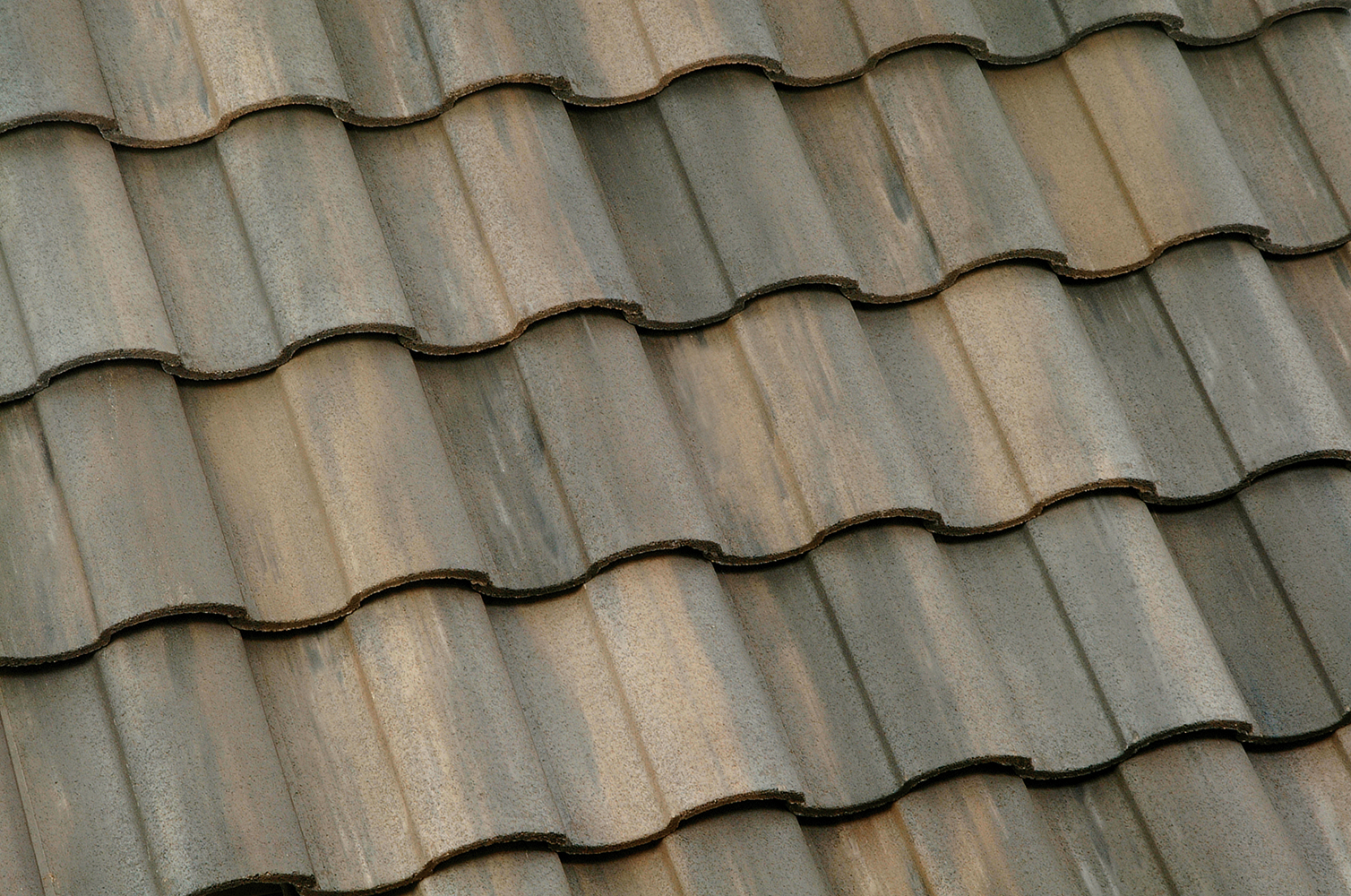
- A single tile cracked from foot traffic. Pull the tile, replace with matching from the Eagle catalog. 1-2 hour repair.
- A chimney flashing leak with otherwise sound shingles. Re-flash the chimney with proper step + counter flashing. Half-day repair.
The 50% rule (the math that pushes the decision)
California Title 24 cool-roof requirements activate when you reroof 50% or more of the roof area in a single permit. Below 50% is exempt. Above 50%, the new roof has to be CRRC-listed Title 24 compliant.
This matters because:
- A 40% partial reroof costs roughly $7k-$15k (no Title 24 docs, no full tear-off).
- A 100% full reroof costs roughly $11k-$22k for asphalt — only ~30-40% more than the 40% partial.
- You get a new 25-year roof + 25-year workmanship warranty + Title 24 documentation + Golden Pledge eligibility for the marginal $4k-$10k.
The 50% rule changes the math. We’ll quote both options and you decide.
What to do this week if you’re unsure
- Get a free written 21-point inspection. TMC climbs the roof, photographs each issue, and writes a remaining- lifespan estimate. No pressure, no obligation. Book it →
- If insurance is in play, contact your carrier first. File the claim directly with them, then schedule the inspection. See our consumer guide to filing a roof claim for the step-by-step process. (TMC provides inspection reports you can share with your carrier; we don’t file claims on your behalf.)
- If self-paying, get the written estimate for both options — partial repair + full replacement. Compare the numbers + the remaining-lifespan on both.
- Don’t replace just because someone knocked on your door. Storm-chaser contractors target neighborhoods after big wind/hail events and sell replacements that aren’t needed. Verify any contractor’s credentials before signing.
Next step
Book a free 21-point inspection → or call (951) 840-9935. Same-day for active leaks, within 1 business day otherwise. The inspection is free either way — you only pay if work happens.
Sources & References
- 1.International Residential Code (IRC) §R908 — Reroofing — International Code Council
- 2.Asphalt Roofing Manufacturers Association — Lifespan Guidance — ARMA
- 3.California Title 24 50% Reroof Trigger — California Energy Commission — California Energy Commission
- 4.GAF Shingle Lifecycle Guidance — GAF
About the Author
Travis Christensen
Owner, TMC Roofing
Travis Christensen is the owner and principal contractor at TMC Roofing, a family-owned roofing company headquartered in Perris, California. Travis holds an active California CSLB C39 roofing contractor license (#1103611) and personally oversees every GAF Master Elite installation. He has spent over two decades in residential and commercial roofing across all five Southern California counties, with a focus on Title 24-compliant cool-roof installations, tile restoration, and insurance-claim work. Travis has trained directly under GAF and Eagle Roofing Products instructors and is among fewer than 750 contractors in the United States to hold the GAF Master Elite credential.
- California CSLB License C39 #1103611
- GAF Master Elite Certified Contractor
- Eagle Roofing Products Authorized Installer
- 20+ years roofing experience (residential, commercial, tile, TPO)