Storm Prep
Santa Ana Wind Season Roof Prep: A 7-Point Checklist Before October
What to check on your roof before Santa Ana wind season hits SoCal. 7-point pre-season checklist by a licensed CSLB C39 roofer — covers shingles, flashings, gutters, fascia, and the things that fail first in 60+ mph gusts.
Travis Christensen
Owner, TMC Roofing
GAF Master Elite
Top 3% of contractors nationally
Licensed & Insured
C39 #1103611, fully bonded
5★ on Google
73 Google + 14 Yelp reviews
Local Family-Owned
Serving SoCal — not a storm chaser
Travis Christensen
Owner of TMC Roofing. Licensed roofing contractor (CSLB C39 #1103611). GAF Master Elite Certified.
Santa Ana winds are SoCal’s annual reminder that the roof is the part of the house most exposed to the weather. October through February is the peak window — gusts of 60-100+ mph through Cajon Pass, Banning Pass, Newhall, and the canyons of the LA basin. A 30-minute pre-season roof check now beats a 2am emergency-tarp phone call later. Here’s the 7-point checklist we run on every TMC pre-season inspection.
1. Walk the perimeter — look at the eaves and drip edge
Stand at each corner of your house. Look up at the edge of the roof where the shingles meet the gutter. You’re looking for:
- Lifted or curled shingle edges at the eave line
- Bent or missing drip-edge metal (the L-shaped flashing along the eave)
- Sagging starter strip (the first row of shingles, just behind the drip edge)
- Daylight visible between the fascia and the gutter
These are the failure points wind exploits first. If anything looks off, get a licensed contractor up there before the first event hits.
2. Check ridge cap shingles
The ridge cap is the row of shingles capping the peak (or ridge) of the roof. They get the strongest wind because the air accelerates over the ridge. Look for:
- Visibly lifted or torn cap shingles
- Missing nail heads (look for exposed nails on the ridge)
- Granule loss on the cap shingles (silver / shiny patches)
Premium ridge cap (like GAF Seal-A-Ridge) is sealed with a thermal adhesive strip that bonds in summer heat. By October you want it fully bonded — that’s your wind defense.
3. Inspect flashings around penetrations
Every penetration (chimney, vent stack, skylight, satellite mount) has flashing — the metal collar that waterproofs the joint. Wind damage rarely tears the flashing off, but it can lift sealants and cause leaks the next time it rains. Look for:
- Cracked or curled sealant beads
- Rust spots on metal flashing
- Gaps between flashing and the roof surface
- Lifted lead jacks on vent pipes (the most common failure)
4. Check the gutters and downspouts
Clogged gutters cause water to back up under the eaves during the first rain after a wind event — turning a clean wind season into a leak event. Clean the gutters in September. Confirm:
- Gutters are clear of leaves, twigs, debris
- Downspouts flow freely (test with a hose)
- Gutter brackets are tight to the fascia
- End caps and seams are intact
5. Look at the fascia and soffits
The fascia (the vertical board at the eave) and soffits (the horizontal underside of the eave overhang) are wood components that rot and warp before the shingles fail visibly. From the ground, check for:
- Peeling or bubbling paint on the fascia
- Visible wood rot at the corners
- Soffit vents that are blocked or damaged
- Squirrel / rodent intrusion holes at the soffit-fascia joint
6. Trim trees within 30 ft of the house
Tree limbs are the single biggest source of roof damage during a wind event. Even a 2-inch branch falling at terminal velocity in a 60 mph gust will punch through asphalt shingles into the decking. Before October:
- Trim any branches overhanging the roof
- Remove dead branches anywhere within 30 ft of the house
- Call a certified arborist for any tree showing visible decay
- Document the trim work — keep dated photos in case of a future claim
Insurance carriers sometimes deny tree-fall claims if they can show the homeowner failed to maintain a clearly-decaying tree. Don’t give them the opening.
7. Verify your insurance + emergency contact list
Before the first event:
- Pull your homeowners policy declarations page. Confirm the dwelling coverage matches your current replacement cost (post-2020 California construction inflation has outpaced most old policy limits).
- Confirm your deductible. Some California policies switched to percentage-based deductibles for named wind events in coastal zones. 1-5% of dwelling coverage = a big out-of-pocket on a $700k policy.
- Save your claim phone number AND your licensed roofer’s emergency line in your phone contacts.
- Photograph the current condition of your roof from the ground + driveway. Dated photos pre-event are gold during a future claim.
What to do during a Santa Ana event
- Stay off the roof. Even experienced roofers don’t go up during the event itself. Wait until winds subside below 25 mph sustained.
- Park vehicles away from trees. Cars under tree canopies during a 70+ mph event are statistically very likely to get hit.
- Close windows on the leeward (away-from-wind) side first. Reduces pressure inside the house, which reduces uplift on the roof.
- Document any damage immediately — but from the ground.
What to do after the event
Once winds drop below 25 mph sustained:
- Walk the perimeter again. Photograph any visible damage.
- Check inside the attic (if accessible) for water staining or daylight.
- Call a licensed contractor for an above-the-roof inspection. Most shingle damage isn’t visible from the ground.
- If there’s active water intrusion, call for an emergency tarp — TMC’s line is (951) 840-9935, 24/7 across all 5 counties.
- If there’s clear damage, file the insurance claim. Don’t wait. See our full insurance claim guide.
The roof systems that survive Santa Ana
If you’re replacing this fall, choose a wind-rated system from the start:
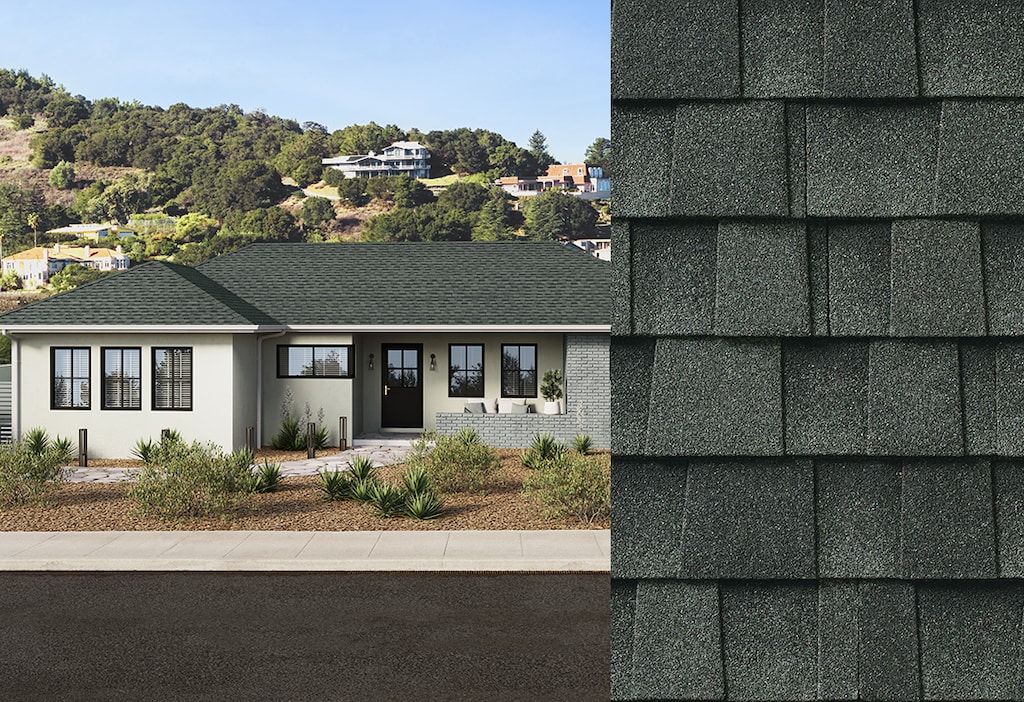
- GAF Timberline HDZ RS with LayerLock®— Eligible for GAF’s WindProven™ Limited Wind Warranty (no max wind speed) when installed with the required accessory system: starter strip + drip edge + ridge cap + roof deck protection + leak barrier or attic ventilation.
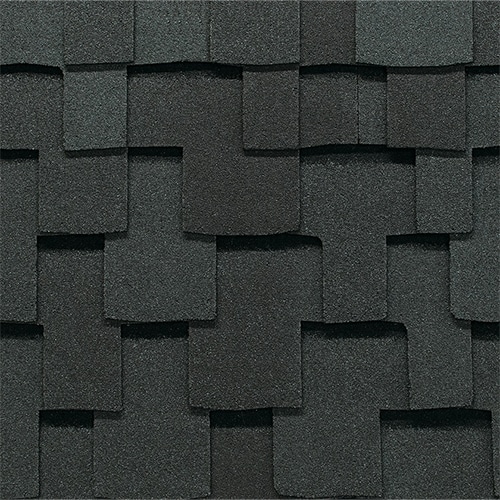
- GAF Grand Sequoia RS — Same wind warranty eligibility plus UL 2218 Class 4 impact rating (the wind throws debris too).
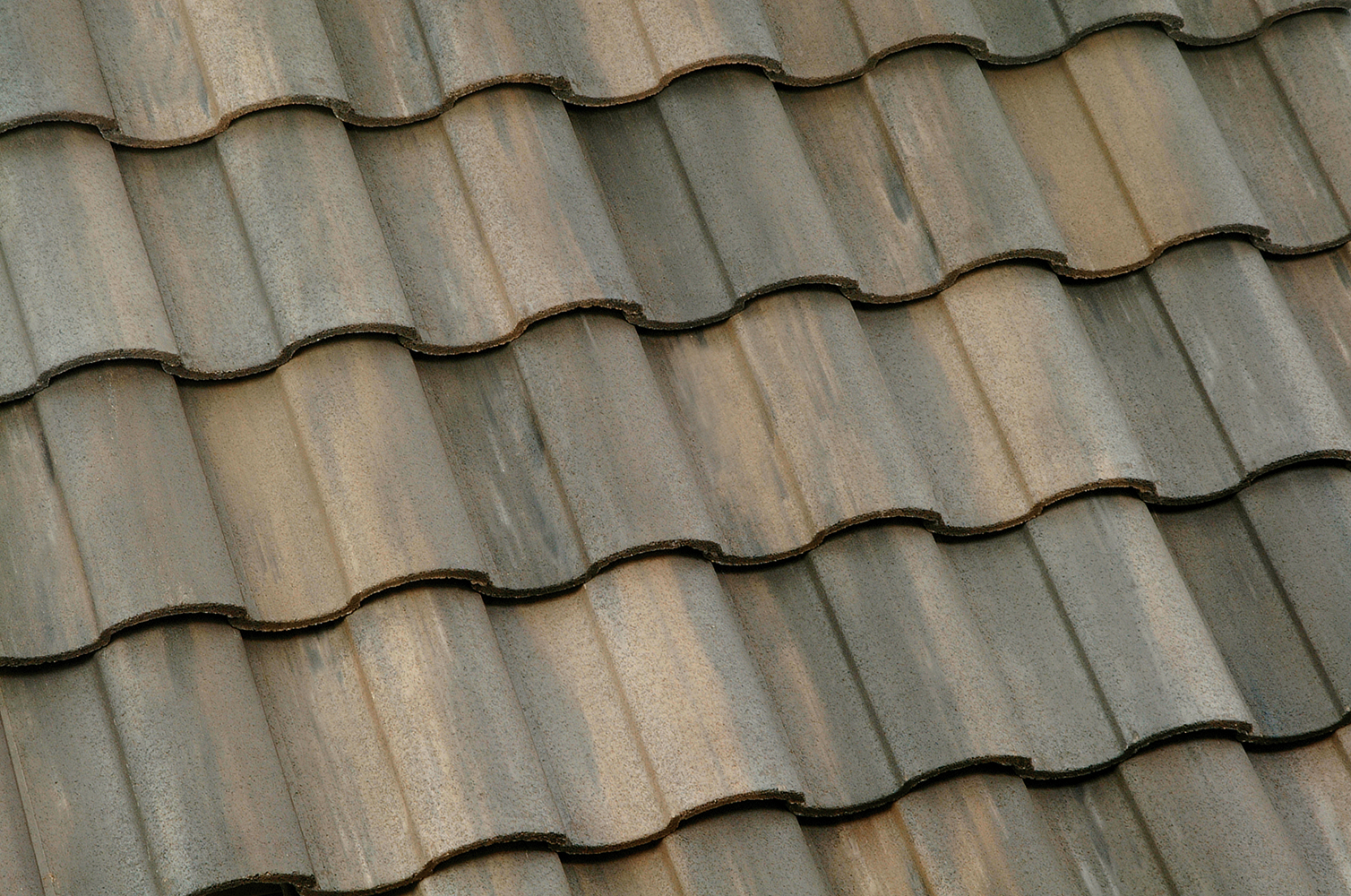
- Eagle California Collection concrete tile — Concrete tile installed per Eagle spec is rated to 180 mph (Florida HVHZ standard). In SoCal, the limit is usually the underlayment, not the tile.
TMC Roofing installs all three. Browse GAF Reflector Series → · Browse Eagle California Collection →
Next step
Book the pre-season inspection now. Free 21-point, written report, zero pressure. Book free inspection → or call (951) 840-9935. We’re on the calendar through October.
Sources & References
- 1.Santa Ana Wind Threat Index — NWS Los Angeles/Oxnard — NOAA / National Weather Service
- 2.GAF WindProven™ Limited Wind Warranty Terms — GAF
- 3.Cal Fire — Red Flag Warning Definitions — California Department of Forestry and Fire Protection
- 4.Insurance Information Institute — Wind Damage Coverage — Insurance Information Institute (III)
About the Author
Travis Christensen
Owner, TMC Roofing
Travis Christensen is the owner and principal contractor at TMC Roofing, a family-owned roofing company headquartered in Perris, California. Travis holds an active California CSLB C39 roofing contractor license (#1103611) and personally oversees every GAF Master Elite installation. He has spent over two decades in residential and commercial roofing across all five Southern California counties, with a focus on Title 24-compliant cool-roof installations, tile restoration, and insurance-claim work. Travis has trained directly under GAF and Eagle Roofing Products instructors and is among fewer than 750 contractors in the United States to hold the GAF Master Elite credential.
- California CSLB License C39 #1103611
- GAF Master Elite Certified Contractor
- Eagle Roofing Products Authorized Installer
- 20+ years roofing experience (residential, commercial, tile, TPO)