California Code & Compliance
California Title 24 Cool Roof Requirements: A Homeowner's Guide (2026)
Plain-English guide to California's Title 24 cool-roof rule for residential reroofs. CRRC ratings, climate zones, what passes, what fails, and which shingles + tile we install to keep your permit on track.
Travis Christensen
Owner, TMC Roofing
GAF Master Elite
Top 3% of contractors nationally
Licensed & Insured
C39 #1103611, fully bonded
5★ on Google
73 Google + 14 Yelp reviews
Local Family-Owned
Serving SoCal — not a storm chaser
Travis Christensen
Owner of TMC Roofing. Licensed roofing contractor (CSLB C39 #1103611). GAF Master Elite Certified.
If your roof replacement doesn’t meet California Title 24, the building inspector will fail the final sign-off — and you’ll either redo the work or pay for an energy-tradeoff workaround that costs more than the upgrade. This guide walks through the rule in plain English: when Title 24 applies, what CRRC numbers matter, which products pass, and how we keep our installs on track every week across Riverside, San Bernardino, Orange, LA, and San Diego counties.
What Title 24 is (the 60-second version)
Title 24, Part 6 is California’s statewide building energy code, updated on a 3-year cycle by the California Energy Commission (CEC). The current cycle — the 2022 Title 24 — has been in effect for permits filed since January 1, 2023. For residential roofing, Title 24 introduces “cool roof” requirements: the new roof has to reflect enough sunlight (and emit enough absorbed heat) to keep attics cooler, reduce HVAC load, and improve grid stability during peak summer demand.
The rule is implemented two ways:
- Prescriptive path — install a roof with CRRC-listed reflectance and emittance values at or above the climate-zone minimum. This is what 95% of TMC installs use.
- Performance path — install a non-compliant roof but offset the difference with extra energy efficiency elsewhere (more insulation, radiant barrier, higher-SEER HVAC). Possible but adds cost and HERS-rater paperwork.
Does Title 24 apply to my project?
Three triggers — if any one applies, you’re in Title 24 territory:
- You’re building new (full new-construction roof).
- You’re reroofing 50% or moreof the roof area (so most full tear-offs, full overlays, and any “total replace” job).
- You’re adding new conditioned square footage that ties into the existing roof.
Spot repairs, less-than-50% partial reroofs, and unconditioned outbuildings are exempt. The 50% trigger is what most homeowners hit when their old shingle roof is 25+ years old.
Climate zones — which one are you in?
California is sliced into 16 climate zones for Title 24. Southern California sits primarily in zones 6, 8, 9, 10, 14, and 15. The cool-roof prescriptive values vary by zone — hotter inland zones (10, 14, 15) have the strictest reflectance minimums. Coastal zones (6, 8) are slightly relaxed but still in scope for low-rise residential.
For TMC’s service area:
- Riverside County — Mostly Climate Zone 10 (inland) and Zone 14 (desert / Coachella Valley). Strict cool-roof requirements.
- San Bernardino County — Zones 9, 10, 14, 15, 16 (mountains have separate rules).
- Orange County — Zones 6 (coastal) and 8 (inland).
- Los Angeles County — Zones 6, 8, 9, 14 (mountain communities like Santa Clarita / Lancaster are zone 14).
- San Diego County — Zones 7 (coastal), 10 (inland), 14 (desert).
The numbers that matter (CRRC values)
Every cool-roof product Title 24 accepts has been independently tested and listed by the Cool Roof Rating Council (CRRC). The CRRC directory publishes four numbers per product:
- Initial Solar Reflectance — Fraction of sunlight the new roof reflects (0 = absorbs everything, 1 = mirror). Title 24 targets 0.20+ for steep-slope residential prescriptive in most SoCal zones.
- Aged Solar Reflectance — Same measurement after 3 years of weathering. This is the value the inspector cares about.
- Thermal Emittance — How quickly absorbed heat radiates back out (0 = traps heat, 1 = bleeds heat). Most roof products hit 0.85+.
- Solar Reflective Index (SRI) — A composite of the two above (computed via the Title 24 JA4 worksheet). Many code paths alternatively allow you to hit an SRI target instead of separate reflectance + emittance values.
For the steep-slope residential prescriptive path, most Title 24 builders need either:
- Aged Reflectance ≥ 0.20 and Thermal Emittance ≥ 0.75, OR
- Aged Solar Reflective Index (SRI) ≥ 16 (or 20 in some zones).
Verify against the current code copy for your project; permitting offices in Riverside, San Bernardino, Orange, LA, and San Diego enforce the table from the 2022 code as published.
What we install (and why)
TMC Roofing specializes in a small lineup that passes Title 24 by default on every project. That keeps install crews fast, parts stocked, warranties clean, and permit reviews uneventful.
For asphalt shingle reroofs: GAF Reflector Series
GAF publishes two cool-roof shingle lines specifically for California — the Reflector Series (“RS”):
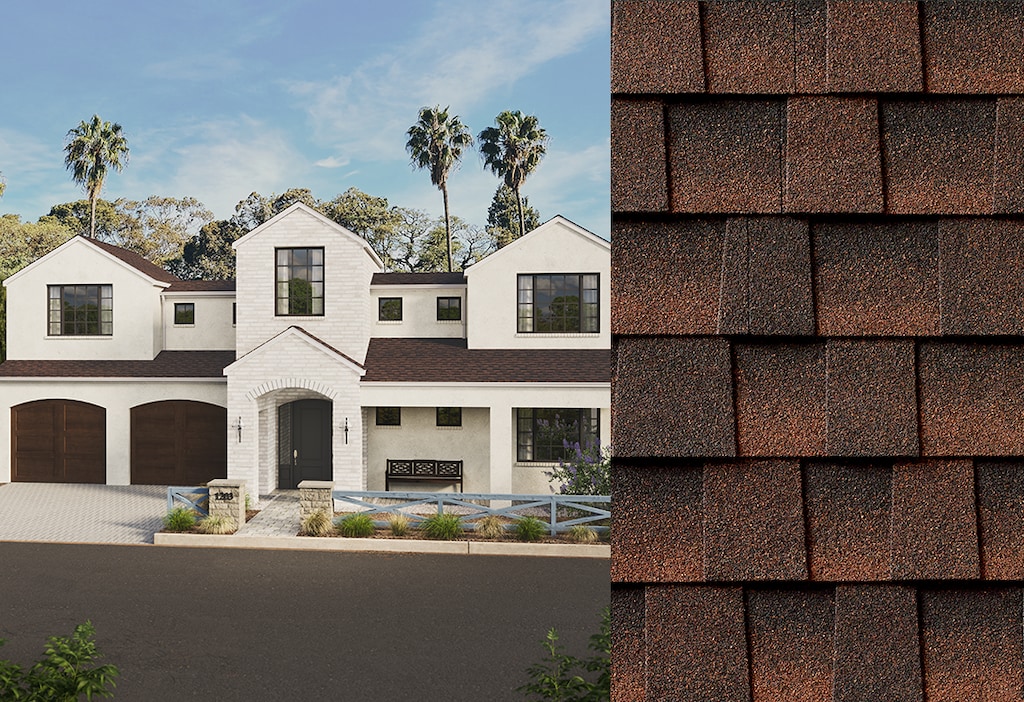
- Timberline HDZ® RS — 7 CRRC-rated colors. Architectural profile. All colors hit Title 24 + the stricter LA County Green Building Code. See all 7 HDZ RS colors with CRRC IDs →
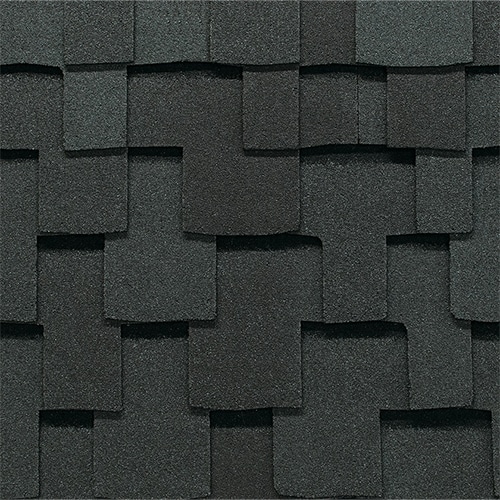
- Grand Sequoia® RS — 5 CRRC-rated colors. Designer wood-shake aesthetic + Class 4 impact rating (may earn an insurance discount). See all 5 Grand Sequoia RS colors →
Why only these two: GAF’s standard Timberline (non-RS) lines aren’t guaranteed to hit Title 24 in every color. Reflector Series colors are engineered to pass — including dark colors like Charcoal, which is the darkest highly-reflective shingle GAF makes.
For tile reroofs: Eagle Roofing Products California Collection
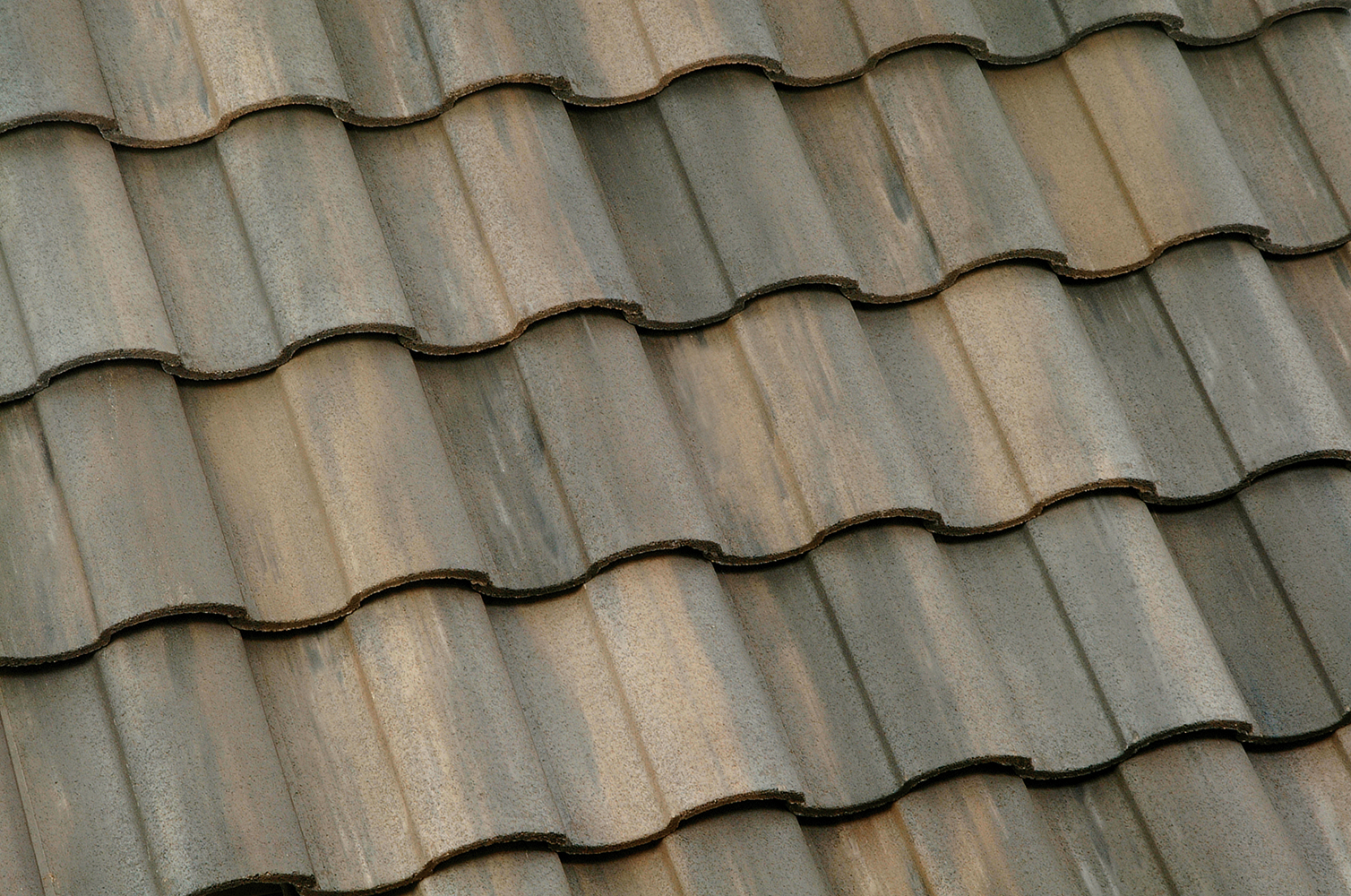
Eagle’s California Collection is the only concrete tile line designed from the ground up for Title 24. We install all six profiles:
- Capistrano — Classic Spanish S-tile (55+ colors)
- Malibu — Mediterranean barrel profile
- Bel Air — Low-profile S-tile
- Golden Eagle — Curved shake (specialty)
- Ponderosa — Flat shake-style tile
- Tapered Slate — Graduated slate look
Most colors hit Title 24 cool-roof out of the box. Browse the full Eagle California catalog →
Documentation: the paperwork that proves compliance
Title 24 compliance is a paperwork trail:
- CF1R (Certificate of Compliance — Residential) — Filed at permit application by the contractor or designer. Lists every compliance measure, including the planned roof CRRC ID and reflectance.
- CF2R (Certificate of Installation) — Signed and dated by the contractor once the roof is installed, confirming the actual product installed matches the CF1R. We file this after every install.
- CF3R(Certificate of Verification — HERS) — Required when a HERS rater verification is part of the compliance path. Most cool-roof-only compliance doesn’t require this; performance-path projects do.
TMC Roofing files the CF1R + CF2R for every Title 24 project. You should receive copies for your records — they’re also useful at resale (buyers’ agents and home inspectors ask for them on California homes built or reroofed after 2014).
Common Title 24 mistakes (and how to avoid them)
- Picking a color first, then checking compliance.Some homeowners pick a Pinterest color, then find out at permit review the product doesn’t pass for their climate zone. Start with the CRRC-rated lineup, then pick the color. (Both GAF RS lines + Eagle’s California Collection eliminate this problem.)
- Reusing “dark Charcoal” non-RS shingles to match the existing roof.The original non-RS Charcoal Timberline doesn’t hit Title 24. The HDZ RS Charcoal does, and they look identical.
- Skipping the CF2R.Most cheap roofers don’t file it. The county will request it within a year on most reroofs, and the homeowner gets stuck.
- Using overlay instead of tear-off when the existing assembly can’t take it.Title 24 calculations assume the new assembly performs as rated — overlays on degraded sheathing don’t.
The bottom line
Title 24 compliance is mandatory on almost every full residential reroof in Southern California, and getting it right costs almost nothing if you start with the right product. The wrong product costs you the entire job.
TMC Roofing specializes in two product families — GAF Reflector Series shingles and Eagle California Collection tile — that pass Title 24 across every climate zone in our 5-county service area, with CF1R/CF2R documentation on every project. Get a free written estimateand we’ll spec a Title-24-compliant assembly for your home — or call (951) 840-9935 and Travis answers.
Sources & References
- 1.2022 Title 24, Part 6 Building Energy Efficiency Standards — California Energy Commission
- 2.Cool Roof Rating Council — Rated Products Directory — Cool Roof Rating Council (CRRC)
- 3.Title 24 Reference Appendix JA4: Solar Reflective Index (SRI) Calculation Worksheet — Energy Code Ace (California IOUs)
- 4.California Climate Zones map (CEC Forecasting Climate Zones — Title 24) — California Energy Commission
- 5.GAF California Cool Reference Guide (RESGN372-0624) — GAF
About the Author
Travis Christensen
Owner, TMC Roofing
Travis Christensen is the owner and principal contractor at TMC Roofing, a family-owned roofing company headquartered in Perris, California. Travis holds an active California CSLB C39 roofing contractor license (#1103611) and personally oversees every GAF Master Elite installation. He has spent over two decades in residential and commercial roofing across all five Southern California counties, with a focus on Title 24-compliant cool-roof installations, tile restoration, and insurance-claim work. Travis has trained directly under GAF and Eagle Roofing Products instructors and is among fewer than 750 contractors in the United States to hold the GAF Master Elite credential.
- California CSLB License C39 #1103611
- GAF Master Elite Certified Contractor
- Eagle Roofing Products Authorized Installer
- 20+ years roofing experience (residential, commercial, tile, TPO)